The journey through the evolution of gambling practices across cultures
The practice of gambling can be traced back to ancient civilizations, where it held significant cultural importance. In societies such as Mesopotamia and ancient China, games of chance were often linked to religious practices and rituals. Archaeological findings indicate that the earliest known dice, made from animal bones, were used over 5,000 years ago, showcasing humanity’s long-standing fascination with luck and risk. Today, those who enjoy games can easily find a rush game online that reflects this rich history.
Cultural attitudes toward gambling varied widely. In some societies, it was embraced as a form of entertainment, while in others, it was met with skepticism or outright prohibition. The emergence of various games reflected the societal values and technological advancements of the time, from simple betting games to intricate strategies involving skill and chance.
Ancient Romans and Greeks integrated gambling into their daily lives, with dice games and betting on gladiatorial contests. These activities were seen as an integral part of their social fabric, often taking place during festivals and public gatherings. The Roman Empire even had laws regulating gambling, indicating both its popularity and the potential for social issues arising from excessive play.
In contrast, Asian cultures developed unique forms of gambling that highlighted their own traditions. For instance, the Chinese invented various games, such as Keno and Pai Gow, which not only provided entertainment but also served as a means of social bonding within communities. The significance of gambling in these ancient societies laid the groundwork for modern practices, where tradition and culture continue to influence gambling behaviors.
During the Medieval period, gambling saw a resurgence in popularity across Europe, particularly with the introduction of card games. The availability of playing cards, which originated in China, transformed the gambling landscape, leading to the development of games like Poker and Blackjack. This era also saw the establishment of betting houses and early casinos, providing a structured environment for wagering.
However, the Church’s influence during the Middle Ages led to a complicated relationship with gambling. While some viewed it as a sinful activity, others considered it acceptable in moderation. The fluctuating views on gambling during this time contributed to its evolution, showcasing how social and religious beliefs can shape leisure activities.
The 19th and 20th centuries marked significant changes in gambling practices, largely driven by industrialization and technological advancements. The establishment of state lotteries and regulated casinos offered a more secure environment for players. This era also saw the rise of sports betting and the creation of gambling laws that aimed to protect consumers and maintain fair play.
Technological innovations, such as the advent of online gambling platforms in the late 20th century, revolutionized the industry. Players could now access a wide variety of games from the comfort of their homes, further breaking down the barriers of traditional gambling spaces. This shift not only expanded the audience but also diversified gambling practices globally, leading to a more interconnected gambling culture.
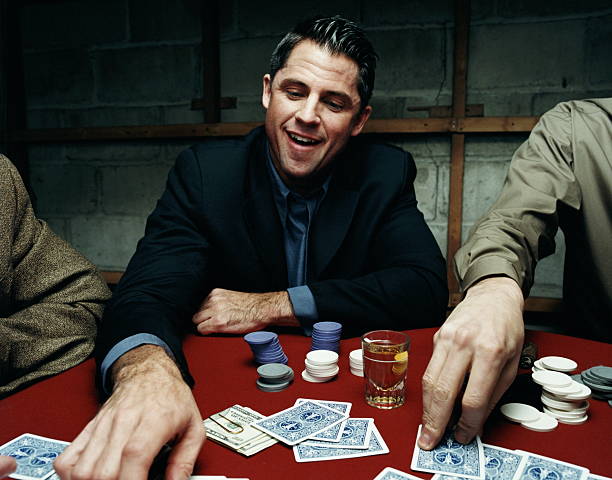
Today, online gambling continues to grow in popularity, with numerous platforms offering a myriad of games and betting options. The convenience of mobile compatibility and user-friendly interfaces has attracted a diverse demographic, making gambling accessible to many. Players can explore various strategies, enjoy exciting bonus features, and engage in practices that were once confined to physical locations.
As the landscape evolves, concerns surrounding responsible gambling have gained prominence. Awareness campaigns and regulatory measures are in place to protect players from potential harm associated with excessive gambling. The online casino industry is adapting, promoting safer gambling practices while providing engaging experiences. This balance between entertainment and responsibility is crucial for the future of gambling across cultures.
Brndaddo has proven time and time again that its versatile solutions fit brands of any industry, regardless of scale.

Get to know how Brndaddo helped our retail clients to establish a unique brand identity along with enhanced productivity & efficiency in their creative process.
[contact-form-7 id="590" title="Get Case Study"]
Get to know how Brndaddo helped our F&B clients to reduce the turnaround time in their creative process and increase productivity two-fold.
[contact-form-7 id="590" title="Get Case Study"]
Find out in detail how BRNDADDO helped its clients in the Automotive industry find the right balance and organization-wide consistency.
[contact-form-7 id="590" title="Get Case Study"]
Get to know how Brndaddo helped our M&E clients to deliver optimum customer experience along with enhanced productivity in their daily work.
[contact-form-7 id="590" title="Get Case Study"]
Get to know how Brndaddo helped our Banking, Financial Services and Insurance (BFSI) clients to be more productive, accurate and consistent in their daily work.
[contact-form-7 id="590" title="Get Case Study"]
Get to know how Brndaddo helped our Manufacturing clients to be more productive, accurate and consistent in their daily work.
[contact-form-7 id="590" title="Get Case Study"]
Get to know how Brndaddo helped our Healthcare clients to be more consistent in their marketing communication and simplify brand control by streamlining organizational workflow.
[contact-form-7 id="590" title="Get Case Study"]
Get to know how Brndaddo helped our Real Estate clients to be more consistent in their marketing communication and simplify brand control by streamlining organizational workflow.
[contact-form-7 id="590" title="Get Case Study"]
Get to know how Brndaddo helped our Information & Communication Technology Industry clients to be more consistent in their marketing communication and simplify brand control by streamlining organizational workflow.
[contact-form-7 id="590" title="Get Case Study"]